
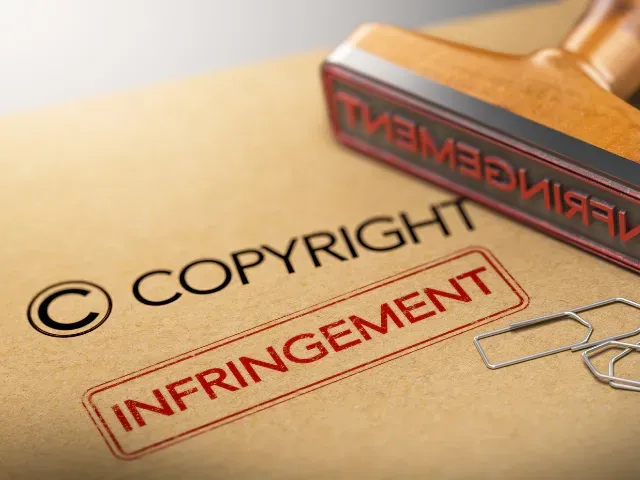
Copyright Essentials for Print on Demand Designers is essential for turning creativity into a sustainable, legally compliant business in the POD space. Understanding print on demand copyright helps you avoid takedowns, disputes, and unexpected costs as you scale. Knowing POD design rights clarifies ownership and the licenses you grant to clients and marketplaces. This guide translates copyright law for designers into practical steps you can apply to every project. Managing image licensing for POD and navigating trademarks and licensing for POD protects your brand while supporting growth across products and platforms.
Beyond the headline terms, practical IP management for on-demand designers centers on clear ownership, licensing scope, and documented rights for every asset. Think of it as an asset-clearance toolkit—ownership mapping, licensing terms, and consented use that cover artwork, fonts, stock images, and client-provided elements. A strong workflow emphasizes contracts, permissions, and verifiable rights so you can confidently expand into new products and marketplaces. Branding assets are regulated by permission and guidelines, ensuring logos and third-party elements are used in line with approved branding standards. In short, the topic blends ownership, licensing models, and compliance checks to safeguard creativity while enabling scalable POD ventures.
Copyright Essentials for Print on Demand Designers: Foundations of Ownership and Licensing
Copyright protection in the POD space typically arises automatically when you fix your original work in a tangible form, from vector art to typography layouts. For print on demand copyright, the key question is who holds the rights to the design you create or assemble, and what licenses you grant to clients, platforms, and manufacturers. Understanding ownership and licensing not only reduces risk, it also clarifies how you monetize your creativity across products and markets. POD design rights depend on whether you created the asset, collaborated, or used third-party elements, so documenting this distinction from the start matters.
Begin a practical licensing workflow: create a centralized asset inventory, attach license terms to every item, and specify per-product scopes, territories, and duration. A clear contract or work-for-hire clause can establish ownership or license-back to clients. Keeping certificates of rights and license receipts helps when platforms request proof of rights during listing or takedowns. This foundation aligns with the broader print on demand copyright framework and sets the stage for scalable licensing.
Understanding POD Design Rights in Practice
In practice, you often navigate three ownership scenarios: you create from scratch and retain copyright while licensing use to the client; you work with client-provided assets that may require a license transfer; and you integrate stock imagery or fonts with terms that govern usage across products and channels. The concept of POD design rights is not only about who owns the art, but also about what licenses permit modifications, derivatives, or resale by you and your client.
Map each asset to a rights profile: note whether licenses are exclusive or non-exclusive, whether per-product or per-collection, and the geographic scope. This approach reduces disputes when you scale to new marketplaces. Keeping these rights documented supports risk management and helps you maintain confidence with platforms that enforce compliance with copyright law for designers.
Copyright Law for Designers: What POD Creators Need to Know
Copyright law for designers centers on protection for original works fixed in a tangible medium. In POD, this means your designs, fonts you legally possess, and layouts are potentially protected, while third-party assets require licenses. Understanding moral rights, attribution, and the scope of permitted reproduction helps you stay compliant as you publish across products and channels. Always verify licenses before integrating assets to avoid inadvertent infringement.
When clients provide assets, establish ownership or license transfer in a written contract and define how the client may use it in POD products. Stock assets also come with licensing terms that limit uses, distributions, or timeframes. Keeping a documented trail of rights—receipts, licenses, and communications—simplifies audits and reduces disputes with marketplaces.
Image Licensing for POD: Managing Stock, Client Assets, and Modifications
Image licensing for POD involves model releases, property releases, and clear licensing scopes for each asset. If your design features recognizable people or locations, you may need releases to avoid issues with resale or marketing. Always confirm that the license covers product merchandising, worldwide distribution, and digital or physical formats you plan to offer. Distinguish between stock imagery and client-provided assets to ensure both have valid, auditable licenses.
Modifications and derivatives can be restricted or allowed depending on the license. Before tweaking colors, compositions, or placements, verify whether derivative usage is permitted and how attribution should be handled if required. Keeping a central repository of licenses for image assets supports quick audits and platform reviews.
Trademarks and Licensing for POD: Protecting Brand Integrity
Brand assets in POD often require separate licensing around logos, marks, and taglines. Trademarks protect brand identity, and misusing them in product designs can trigger infringement claims. If you’re incorporating a client’s logo, ensure you have written permission and a branded usage agreement that specifies merchandise contexts, territories, and duration. Avoid implying endorsement by a brand you don’t represent to reduce risk of confusion or brand-damage claims.
Before launching a line featuring a third-party brand, obtain clear trademark clearances and adhere to brand guidelines. Align your design placements with acceptable usage and ensure you have the rights for both resale and cross-market distribution. Document brand approvals as part of your asset registry to prove compliance if disputes arise.
Building a Compliant Workflow: Asset Tracking, Contracts, and Audits
A solid workflow brings the theory of Copyright Essentials for Print on Demand Designers into daily practice. Start with an asset inventory that catalogs original designs, stock imagery, fonts, and client assets, along with their licenses and expiration dates. Create a licensing map that defines per-product or per-collection rights, territories, duration, and whether derivatives are allowed.
Layer in client agreements, releases, and brand approvals to ensure you can prove rights at any platform or marketplace. Maintain receipts, license certificates, and internal communications to enable audits and renewals. Regular training keeps your team aligned with licensing best practices, ensuring ongoing compliance with print on demand copyright, POD design rights, and other related terms across your catalog.
Frequently Asked Questions
What is Copyright Essentials for Print on Demand Designers, and why is it essential for POD design rights and licensing?
Copyright Essentials for Print on Demand Designers provides a practical framework for ownership, licensing, and usage rights across POD products and marketplaces. It helps you clarify who owns a design, what licenses are needed for stock assets, fonts, and client-provided art, and how to document those licenses to prevent disputes and takedowns. Following this guidance supports sustainable, lawful POD business practices and aligns with print on demand copyright, POD design rights, and the broader copyright law for designers. Note: for specific legal questions, consult a licensed attorney.
How does Copyright Essentials for Print on Demand Designers guide ownership of client-provided art and stock assets under copyright law for designers?
It emphasizes clearly defining ownership in contracts and acknowledging when you license the work or transfer ownership. For client-provided assets, verify rights or obtain a work-for-hire or license transfer. For stock assets, ensure each asset’s license covers commercial POD use, and keep license proofs for audits. This approach reinforces print on demand copyright, POD design rights, and copyright law for designers.
What should I know about image licensing for POD when using stock imagery or client-provided photos under POD design rights?
Image licensing for POD requires checking license scope (merchandise, channels, duration) and obtaining model or property releases when needed. Distinguish between stock and client-provided images, keep licenses accessible, and verify modifications are allowed. Ensure licenses explicitly cover product resale and multiple products.
How do font licenses fit into copyright law for designers in POD projects, and what steps does Copyright Essentials for Print on Demand Designers recommend to stay compliant with POD design rights?
Font licenses govern how you can use typography across products and platforms. Review terms for product counts, embedding, and redistribution, and avoid distributing font files. Maintain a catalog of font licenses and ensure usage across all POD products is covered by your license.
What role do trademarks and licensing for POD play in Copyright Essentials for Print on Demand Designers, especially when using client logos or third-party brands?
Brand assets require consent and trademark clearances. Use written permission to merchandise logos or marks, follow brand guidelines, and avoid implying endorsement. Consider a separate licensing agreement for branding assets and document approvals.
What practical workflow steps does Copyright Essentials for Print on Demand Designers recommend to ensure ongoing copyright compliance in POD projects?
Create an asset inventory with licenses, map license scopes per product, lock in client agreements, collect releases, keep receipts and license certificates, and schedule regular license audits. Educate the team and update workflows as licenses or platforms change.
| Topic | Summary | Practical Actions |
|---|---|---|
| Copyright Basics for POD | Copyright protection arises automatically for original works fixed in a tangible form. In POD, this covers illustrations, typography, digital art, and some fonts/vector elements; key concepts include ownership, licenses, and the limits of reproduction, modification, and distribution. |
|
| Ownership and Licenses | Clarifies who owns the design, who controls its licenses, and how usage rights are assigned. Client-provided assets and stock assets bring their own terms. |
|
| Licensing Essentials for POD | Licensing models are explicit, scalable, and auditable. Consider non-exclusive vs exclusive, per-product vs per-collection, territory, duration, and whether derivatives are allowed. |
|
| Image Licensing for POD | Images require licenses that specify the use, distribution channels, and product types. Distinguish between stock vs client-provided assets and note any required releases. |
|
| Fonts and Typography | Font licenses govern usage across products and platforms, including embedding and redistribution limits. Modifications are often allowed, but redistributing font files usually is not. |
|
| Brand Assets and Trademarks | Brand integrity matters: ensure permission to use logos and brand marks, verify trademark clearances, and avoid implying endorsement. |
|
| Building a Compliant Workflow | A practical workflow reduces risk: inventory assets, map licenses, document client agreements, secure releases, and maintain audit-ready records. |
|
| Common Pitfalls to Avoid | The most costly mistakes involve unlicensed assets, misinterpreted free licenses, insufficient handling of client assets, verbal agreements, and misleading use of trademarks. |
|
| Practical Checklists for POD Designers | A quick audit of rights and licenses to keep projects compliant. |
|
| Conclusion (Summary) | Copyright Essentials for Print on Demand Designers is a practical framework for protecting your business and fueling ethical creativity in a scalable POD environment. |
|
Summary
Conclusion: Copyright Essentials for Print on Demand Designers is a practical framework for protecting your business and fostering ethical creativity in a scalable POD environment. By clarifying ownership, licensing, and workflows across original designs, client assets, stock resources, fonts, and brand elements, you can reduce risk while confidently growing your product lines on multiple platforms. Maintain auditable records, keep licenses up to date, and stay informed about evolving copyright law for designers, so you can focus on design excellence. Keywords to watch include print on demand copyright, POD design rights, copyright law for designers, image licensing for POD, and trademarks and licensing for POD.