
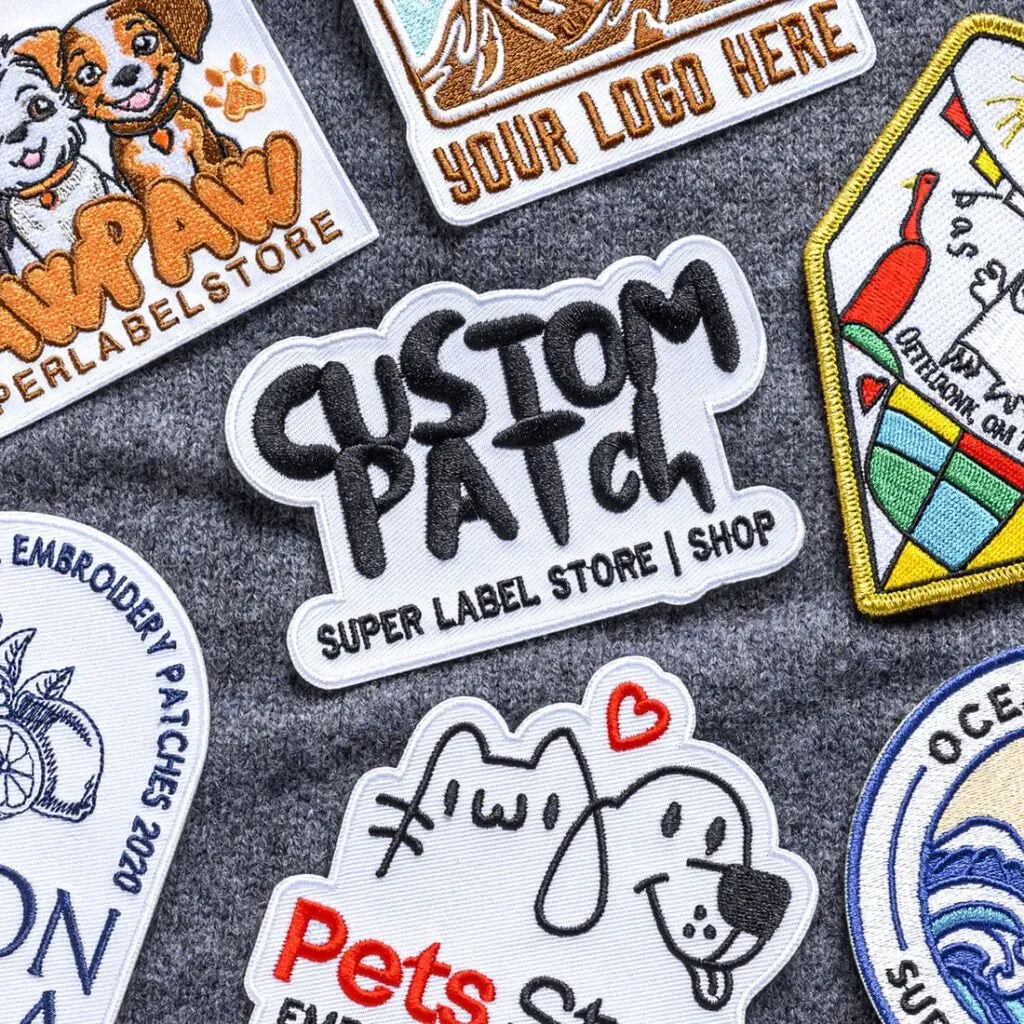
Designing custom patches blends art and storytelling into wearable expressions that people wear with pride. Whether you’re building a brand, supporting a club, or launching a product line, patches can become memorable ambassadors. This guide shares practical tips to help you move from concept to production, with strategies you can apply right away. By mastering color, shape, material, and embroidery considerations, your patch will read clearly at a glance and endure wear. Explore ideas that balance creativity with legibility while keeping production realities in mind.
Beyond this, patches function as badges of identity and wearable branding elements that tell a story at a glance. In practice, designers describe the process as badge creation, emblem embroidery, and logo patch development across apparel lines. The craft centers on color blocking, texture, and durable backing that performs across fabrics and lighting. By framing the work as a branding asset rather than mere decoration, teams can maintain consistency with logos, typography, and color palettes. Short, repeatable workflows help translate ideas from sketch to stitch while preserving readability and impact.
1) Designing custom patches: foundations for wearable storytelling
Designing custom patches blends art and narrative, turning fabric into portable storytelling. Before you sketch stitches, define who will wear the patch, what story it conveys, and where it will live on clothing or gear. This mindset makes patches more than decoration—they become ambassadors for your brand, club, or product line. By focusing on intent, you improve readability and memorability, which helps align with branding with patches across channels.
Design foundations matter: start with a clear concept, a strong focal element, and a shape that communicates even from a distance. Consider color depth, contrast, and legibility under varying lighting conditions. Choose materials and backing that support durability and embroidery density. Small patches benefit from bold outlines and simple silhouettes, while larger patches can accommodate more detail with thoughtful shading.
2) Custom patch design tips to maximize impact
When you approach design, use custom patch design tips that prioritize clarity and scalability. Define a single message or symbol that readers can grasp at a glance. Test your concept at the intended size using fabric swatches or digital mockups to ensure legibility, then iterate with alternative compositions and colorways.
Move quickly from concept to digital rendering, mapping stitches and borders before a single thread is sewn. Use vector formats for production handoffs and provide color references (Pantone or precise hex values) to avoid misinterpretation. The goal is a design that translates cleanly from screen to garment, reducing revisions and speeding lead times.
3) Patch embroidery techniques that elevate your patches
Mastery of patch embroidery techniques elevates the design beyond a flat image. Satin stitches outline contours with bold definition, while long and short fills create shading and texture in larger areas. Plan stitch densities to avoid banding and preserve readability on different fabrics and lighting.
For texture and luxury, consider couching, whipped running stitches, or metallic threads sparingly to avoid overwhelming the motif. Edge finishing—Merrow borders or laser-cut edges—shapes the patch silhouette, affecting durability and the overall impression. When combining effects, a satin border with a filled central emblem often yields a dynamic, high-impact patch.
4) Standout patches ideas to spark collections
Standout patches ideas push beyond traditional motifs, exploring gradient thread blends, glow-in-the-dark accents, or three-dimensional elements like felt or foam. These ideas give patches depth and presence while still maintaining readability. Use high-contrast borders and simplified forms to ensure the central symbol reads at a distance.
Consider limited editions, seasonal colorways, or mascot-driven frames to create cohesive series. For teams or clubs, year marks or mottoes within a clean boundary help unify the collection. Balance novelty with practicality to ensure designs stay legible and cost-effective for production.
5) Branding with patches: aligning identity across products
Patches are branding tools that reinforce identity, signal quality, and invite wearer engagement. When designing patches, align with brand guidelines—logo integrity, color palettes, and typography—to build consistent ambassadors across uniforms, jackets, and merchandise. A well-crafted patch should reflect the brand at a glance and invite further exploration.
Cross-channel consistency matters: patches on apparel, bags, or events should echo the same visual language. Use cohesive color systems, similar border treatments, and shared iconography so that customers recognize your patches as part of a single brand family. The strongest patches tell a story that extends beyond the fabric, encouraging social sharing and brand loyalty.
6) From concept to patch: practical workflow and production readiness
From concept to patch, start with a clear brief that outlines audience, placement, and budget, and keep refining the idea with quick concept sketches. Then create a clean digital rendering with color blocks and test different stitching approaches before committing to a full run. This disciplined approach—integrated design and production thinking—reduces revisions and keeps the project on track.
Production readiness means delivering production-ready files: SVG or AI vector art, high-resolution PNGs with transparent backgrounds, and precise Pantone color references. Prototype patches are invaluable; review a physical sample to confirm scale, stitch density, and color fidelity. With a well-documented workflow, you can scale patches across multiple products while preserving the core message.
Frequently Asked Questions
Designing custom patches: What are the essential steps to align patch design with brand and audience?
Start with a clear brief: identify the patch’s audience, purpose, and where it will be worn. Develop a strong concept and a readable focal element, then apply color theory that supports the brand while staying legible in different lighting. Choose appropriate patch embroidery techniques, shapes, and typography, and plan production early with vector art and prototypes to verify scale and durability.
What are some custom patch design tips to achieve standout patches ideas while keeping readability?
Keep a bold focal element and a simple silhouette for quick readability, especially on small patches. Test concepts at the intended size and use high-contrast color pairs. Use clear typography, limit text, and employ negative space to let the central motif breathe. Balance creativity with production constraints to realize standout patches ideas that work in practice.
How do patch embroidery techniques affect the look and durability of Designing custom patches?
Stitch choices define contour, texture, and durability. Satin stitches create bold outlines; fill stitches shape larger areas, with density adjustments to avoid banding. Add texture with couching or whipped stitches; use metallic or iridescent threads sparingly for emphasis. Match backing and thread color to fabric to keep a seamless appearance and readability.
In Designing custom patches, how can branding with patches stay legible and consistent with brand guidelines?
Ensure patch design aligns with logo integrity, color palette, and typography from your brand. Use strong contrast and legible fonts, especially on the outer edge, and keep the patch visually tied to other assets. Test against different fabrics and lighting, then finalize production-ready files that reflect brand standards.
What production-ready files and color references should you prepare when Designing custom patches to ensure accurate results?
Deliver vector files (SVG or AI) and high-res PNGs with transparent backgrounds. Provide Pantone or precise color references to match your palette, and include a stitched mockup or prototype for verification. Communicate stitch density, backing choice, and size in the production brief to minimize revisions.
What common pitfalls should designers watch for when pursuing standout patches ideas and branding with patches, and how can patch embroidery techniques help avoid them?
Avoid overly complex designs at small scales, too many colors, and text-heavy layouts. Test designs on multiple fabrics and simulate lighting to confirm readability. Use bold outlines, simple shapes, and appropriate embroidery techniques—like satin borders and controlled fill—to preserve legibility while delivering a standout patches ideas.
| Theme | Key Point | Notes / Practical Tip |
|---|---|---|
| Introduction | Patches turn storytelling into wearable ambassadors and are useful for branding, clubs, or product lines. | This guide covers design tips, production insights, and actionable ideas to move from idea to finished patch. |
| Design foundations | Begin with a strong concept and a single readable focal element; consider the size at which the patch will be seen. | Keep the patch readable and test concepts at the intended scale to ensure readability. |
| Color, contrast, and materials | Choose a palette that reflects the brand/theme and maintains legibility under different lighting; use contrast to make the design pop. | Outline around light shapes or white borders around dark fills; consider thread counts, stitch types, and backing options. |
| Typography and iconography | Use legible fonts; limit text on small patches and ensure icons are instantly recognizable. | Test typography on fabric swatches to see how texture and light affect readability. |
| Shape and layout | Outer shape directly affects presence; use negative space and consider placement to influence aspect ratio and padding. | Experiment with irregular silhouettes and plan for sleeve/collar placement. |
| Patch embroidery techniques | Master stitch types for impact: satin stitches for contours, long-and-short fills for shading, and density planning; consider metallic threads sparingly. | Use appropriate densities to avoid banding; consider couching or whipped stitches for texture; Merrow borders for a clean edge. |
| Production planning | Prepare artwork that translates to embroidery; provide vector (SVG/AI) or high-res PNGs with transparent backgrounds; use precise color references. | Prototype patches and review a physical sample to confirm scale, color fidelity, and stitching density before a full run. |
| Standout ideas | Incorporate concepts that push traditional borders: gradient thread blends, glow-in-the-dark or metallic threads, and mixed-media elements. | Limited editions with unique colorways or seasonal themes can drive demand and collectability. |
| Branding with patches | Patches reinforce identity, signal quality, and foster loyalty; align with brand guidelines to become ambassadors across products and events. | Ensure consistency with other branding assets to build recognition and engagement. |
| Common design pitfalls | Avoid over-complication, too many colors, and text-heavy designs that lose readability at small sizes. | Test across fabrics, simulate light degradation, solicit feedback, and iterate to balance artistry with practicality. |
| From concept to patch: workflow | Start with a clear brief, iterate through concept sketches, render digitally, map stitches, and build a physical sample. | Finalize artwork and provide production-ready files; a documented process reduces miscommunication and ensures consistency. |
Summary
Table outlining key points about designing custom patches and a concluding descriptive summary follows.