
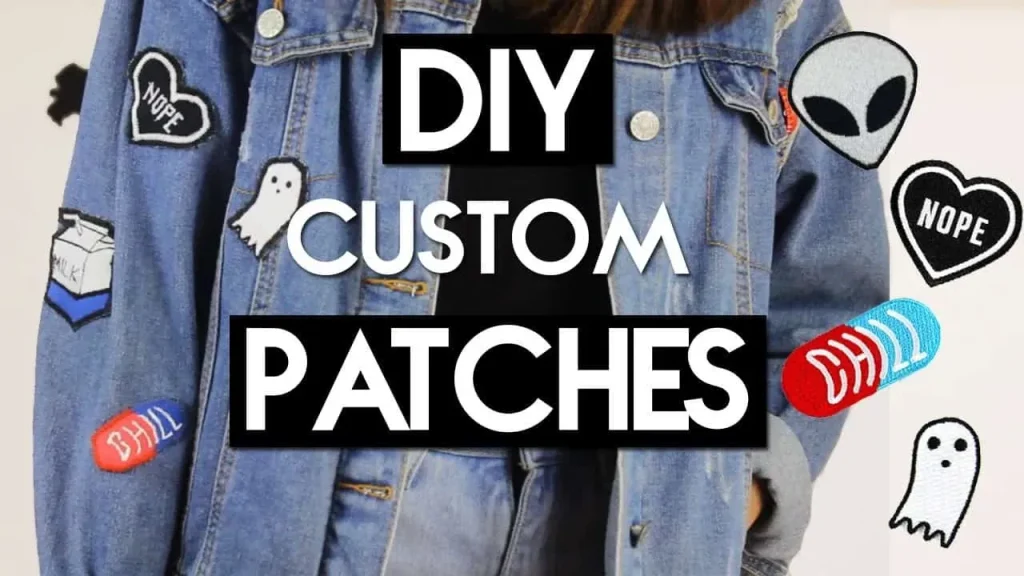
Patches for fashion and DIY have become a quick way to refresh wardrobe staples and tell a personal story. From denim jackets to backpacks, these patches offer a budget-friendly route to update looks and extend clothing life. These patches can highlight your interests, cover wear, or add a tactile dimension with textures like embroidery. Choosing between patch options depends on fabric type, wash schedule, and how durable you want the result. This practical guide combines basics, tips, and creative ideas to help you patch with confidence while keeping style front and center.
Beyond the classic term patches, consider garment embellishments, fabric appliqués, and decorative repair accents as equivalent routes to personalization. You might explore DIY patches or fashion patches, with options ranging from heat-activated appliqués to hand-stitched motifs. This approach lines up with sustainability and upcycling, emphasizing texture, color, and careful placement. Think in terms of planning and cohesion: choose a palette, scale, and distribution that create a unified look rather than a jumble of patches.
Patches for fashion and DIY: A Sustainable Way to Refresh Your Wardrobe
Patches for fashion and DIY have moved from novelty to necessity for anyone who wants to express personal style, practice sustainability, and stretch a budget. Patches offer a quick way to transform a tired garment into something unique, tell a story, or simply cover a small tear with flair. This approach also aligns with the broader DIY ethos of repurposing clothing rather than buying new items.
By choosing the right patches and planning placement, you can build a cohesive look that still feels spontaneous. The guide covers basics of patch types, application methods, and creative ideas you can try at home, whether you’re patching a denim jacket, a backpack, or a canvas tote. Incorporating DIY patches, fashion patches, and iron-on patches helps ensure your project is both stylish and durable.
Choosing the Right Patches: Iron-On vs Sew-On and Beyond
Choosing the right patches begins with understanding fabric type and how you’ll attach them. Iron-on patches provide a quick fix on sturdy fabrics like denim or canvas, while sew-on patches rely on stitching for durability and versatility across textiles.
Other options—including embroidered patches with heat-activated adhesives, patches with no-stitch backs, and Velcro-backed designs—offer different looks and easy removal. When selecting patches, consider color, texture, size, durability, and how the patch will hold up through regular washing.
Applying Patches with Confidence: A Step-by-Step Guide to Iron-On and Sew-On Methods
Applying patches requires prep: wash and dry the garment to remove sizing, press out wrinkles, and decide exact placement. For iron-on patches, follow the patch manufacturer’s heat settings and use a thin cloth to shield the fabric between the patch and iron.
For sew-on patches, baste in place and stitch around the edge with a tight stitch. A zigzag or satin stitch on a sewing machine provides extra security, while hand-stitching with backstitch or blanket stitch works well on delicate fabrics that can’t tolerate heavy heat.
Creative Patching Ideas for Everyday Wear: Denim, Bags, and Beyond
Creative patching ideas can revitalize a denim jacket, tote bag, or backpack. Try mixing large statement patches with smaller accents to balance proportions and create a cohesive theme that speaks to your style.
Layer patches in complementary colors and textures—velvet patches on denim, leather accents on canvas—for depth. Storytelling through a sequence of motifs, or clustering patches near pockets, cuffs, or collars, gives a bold, curated look without sacrificing wearability.
Care and Longevity: Keeping Patches Vibrant Through Wash and Wear
Care and maintenance are essential to preserving patches for fashion and DIY projects. Turn garments inside out, wash on gentle cycles, and avoid bleach to protect threads and patch adhesives.
Air-drying is ideal to prevent heat damage, and you should inspect patches after washing to reattach or reinforce edges as needed. With regular care, patched garments can last for years, supporting both style and sustainability.
Tools, Materials, and Sourcing for Patch Repair Clothes
Tools, supplies, and sourcing options shape how smoothly your patch project unfolds. Start with a small stash of DIY patches in varying sizes and colors, and choose patches that either blend with your base fabric or deliberately contrast for a statement.
When planning patch repairs on clothes, consider durability and washability—iron-on patches that tolerate machine washing or sew-on patches that hold up to frequent laundering. For practical repair-focused projects, explore patch repair clothes strategies and balance function with personal style as you build your patch collection.
Frequently Asked Questions
What are Patches for fashion and DIY and why should you start using them?
Patches for fashion and DIY are fabric pieces you sew or iron onto garments to repair, decorate, or customize them. They boost style quickly, extend clothing life, and support sustainable wardrobe choices. They come in iron-on and sew-on forms and can cover tears or help tell your story.
What is the difference between iron-on patches and sew-on patches for patches for fashion and DIY projects?
Iron-on patches use heat-activated adhesive and are fast to apply on sturdy fabrics like denim. Sew-on patches rely on stitching and work across more fabrics, often offering longer durability. Iron-ons may require a second heat press for lasting adhesion, while sew-ons depend on careful stitching.
How do I apply patches for fashion and DIY on different fabrics like denim, canvas, or knits?
Plan your approach by choosing patches compatible with the fabric. For denim and canvas, iron-on patches work well with a hot iron and pressing cloth, while knits and delicate fabrics often benefit from sewing. Always test a patch on a scrap area first.
How should I plan patch placement to maximize impact in Patches for fashion and DIY?
Lay out patches before attaching to visualize the final look. Start with the largest patches, then fill gaps with smaller pieces for balance. Consider symmetry, spacing, and the garment’s functional zones to avoid interference with wear.
What maintenance tips keep patches for fashion and DIY looking good through washing and wear?
Turn patched garments inside out and wash on gentle cycles with similar colors. Use mild detergents and avoid bleach. Air-dry when possible and inspect patches periodically, resecuring edges if needed.
What are some creative Patches for fashion and DIY ideas or projects for patch repair clothes?
Try a denim jacket revival with elbow patches, customize a canvas tote with mixed patches, or add patches to a backpack for a vintage vibe. Patch repair clothes can cover rips while adding a personal story and sustainable style.
| Topic | Key Points | Practical Tips |
|---|---|---|
| What patches are and why they matter | Patches extend garment life, reduce waste, and enable personal style; they can cover tears and tell a story; support DIY sustainability. | Balance aesthetics with durability; tailor patches to your project goals; consider fabric and wash routine. |
| Types of patches and attachment methods | Iron-on: heat-activated adhesive; quick to apply; works on denim, canvas, and heavy cotton; follow patch instructions; test on scrap; heat and cool; for longer bond, seal with a second heat. Sew-on: stitches around edge; more durable; versatile across fabrics; can be hand- or machine-stitched; zigzag or satin stitch for extra security. | Choose method by fabric, wash routine, and desired permanence; consider alternative options like Velcro-backed or embroidered patches. |
| Choosing patches for your project | Align patches with garment color, texture, and use. Consider size/shape, color/texture, theme/motif, and fabric compatibility. | Larger patches make bold statements; mix shapes; coordinate colors; ensure patch material tolerates washing; pick patches that support your theme. |
| Planning patch placement | Plan layout before attaching; consider symmetry, spacing, and functional zones (knees, pockets); start with largest patches, then fill gaps. | Lay out patches physically, pin or tape, and take a planning photo to guide placement. |
| Applying patches: iron-on and sew-on steps | Iron-on: prep fabric, position patches, protect with a cloth, apply heat per instructions (usually 20-30 seconds), cool, test edge adhesion, optional extra heat or stitching. Sew-on: prep and position, baste, stitch around edge (tight stitch or zigzag), final check and reinforce. | Follow patch-specific instructions; test on scraps; use machine zigzag for durability; reinforce with a few stitches if needed. |
| Maintenance and care for patched garments | Gentle washing; turn inside out; use mild detergents; avoid bleach; air-dry or low heat; inspect patches and reattach as needed. | Protect patches by washing on gentle cycle, similar colors; avoid harsh detergents; dry gently. |
| Creative project ideas to try at home | Denim jacket elbows; tote bags and backpacks; patch collars and cuffs; kids’ clothing and accessories. | Mix colors/textures; plan cohesive themes; vary patch sizes for balance; try new placements. |
| Patches and repair: patching as sustainability | Patches extend life, support upcycling, and cover wear or tears; repair-focused design. | Choose sturdy patches for high-stress areas; plan repairs to maximize longevity. |
| Practical tips for successful patch projects | Test patches on scraps; match or contrast thread; secure edges; layer thoughtfully; inventory patch stash. | Practice on scraps; carry a small stash sorted by color/size/style; plan outfits ahead. |
| Frequently asked questions | On stretchy fabrics, some patches work but sewing is often more reliable on knits; patch count varies; removal: iron-on can be reheated for peeling away, while sew-on requires un-stitching. | Test on scraps; start with a few patches and build up; use proper removal techniques if needed. |
| Conclusion | Patches for fashion and DIY offer an accessible path to personal expression, practical repairs, and sustainable wardrobe management. | Start small and build confidence; patching can evolve into a set of cohesive, durable, expressive designs. |
Summary
Patches for fashion and DIY open an accessible path to personal expression, practical repairs, and sustainable wardrobe management. By understanding patch types, application methods, and creative placement, you can transform ordinary garments into something that feels unmistakably you. Start with a simple project, like a denim jacket reinvention or a tote bag upgrade, and then expand to more intricate designs as you gain confidence. Whether you’re patching for fun, function, or upcycling, patches provide a versatile, economical way to refresh your wardrobe and tell your story with fabric, color, and stitches.