
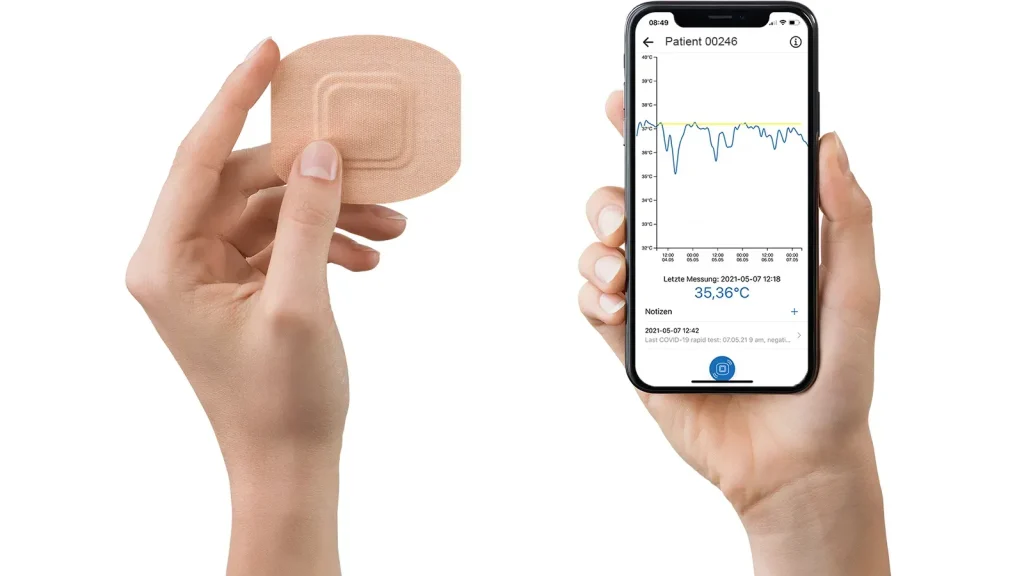
Smart patches represent a turning point in personal health management, translating the benefits of wearable technology into a skin-adjacent, adhesive format. They attach directly to the skin with a thin, flexible substrate, avoiding bulky devices while maintaining comfort during daily activities. Equipped with smart patch sensors and wireless communication, these patches enable continuous health monitoring, delivering real-time trends and alerts. They support wearable health monitors by capturing data on vital signs, hydration, glucose trends in sweat, and other indicators. Designed as skin-friendly wearable patches, they offer improved comfort, adherence, and privacy for long-term use across daily life for aging populations and athletes alike.
In other terms, these adhesive epidermal devices combine flexible electronics, biocompatible adhesives, and patch sensors to act as a lightweight, skin-bound biosensor platform. Think of them as a wearable skin interface or epidermal sensor that provides continuous data capture without the bulk of traditional monitors. The same concept links to bio-sensing patches, flexible electronics, and skin-friendly interfaces that support real-time health insights via mobile and cloud analytics. By using alternative terminology, researchers and developers emphasize interoperability, data security, end-user comfort, and integration with existing wearable health ecosystems.
1) Smart Patches: Redefining Skin-Contact Monitoring in Health
Smart patches represent a turning point in personal health management by moving away from bulky wrist-worn devices toward skin-attached solutions. In the broader landscape of wearable health monitors, patches sit directly on the skin, enabling continuous data streams with a thin, flexible substrate that houses sensors, electronics, and wireless communication.
This skin-contact design offers distinct advantages in comfort and unobtrusiveness while expanding the range of measurable signals. Users can track vital signs, hydration, sleep patterns, and even glucose trends in sweat, contributing to continuous health monitoring that can empower individuals and clinicians alike.
2) How Patch Sensors Power Continuous Health Monitoring on the Skin
Patch sensors are the core technology powering smart patches. These flexible electronics and micro-sensors detect multiple signals—from heart rhythm to biochemical markers in sweat—within a single, compact platform often described as a tiny wearable lab in contact with the skin.
Data collected by patch sensors is processed locally or in connected apps and then transmitted via NFC or Bluetooth Low Energy to smartphones or hubs. This enables seamless, continuous health monitoring and allows cloud-based analytics, where AI-driven insights can highlight trends, anomalies, and personalized guidance.
3) Bio-Sensing Patches Across Healthcare and Wellness
Bio-sensing patches have wide-ranging applications in both healthcare and wellness. For diabetes management, patches that analyze sweat biomarkers can complement traditional glucose monitoring, offering a non-invasive supplement to fingerstick tests.
In addition to metabolic monitoring, these patches support cardiac, respiratory, and hydration-related metrics, making them valuable for patients, athletes, and everyday users seeking proactive health management and performance optimization.
4) Skin-Friendly Wearable Patches: Comfort, Adhesives, and Skin Health
A key design focus is skin-friendly wearable patches, which use hypoallergenic adhesives and breathable substrates to minimize irritation and extend wear time. Comfort and skin compatibility are essential for consistent data collection in real-world settings.
This emphasis on gentle, reliable contact supports use by older adults and people with limited mobility, reducing the burden of daily device management. Integrated dashboards and mobile apps then visualize trends over days or weeks, turning wearables into proactive health partners.
5) Regulatory, Privacy, and Safety Considerations for Smart Patches
As smart patches move from research to real-world deployment, regulatory oversight ensures safety, efficacy, and interoperability. Depending on the region and intended use, patches may be classified as consumer electronics, medical devices, or a hybrid, with standards governing biocompatibility, data security, and software validation.
Privacy is a critical concern because health data is highly sensitive. Robust encryption, transparent data practices, and clear user consent controls are essential components of responsible smart patch products, helping to protect individuals while enabling beneficial health insights.
6) The Future of Patches: AI, Interoperability, and Personalization
Looking forward, smart patches are set to become more capable through multi-modal sensing—combining electrical, optical, and chemical measurements—to yield richer health phenotypes. Advances in materials science will yield thinner, more flexible, and more biocompatible patches with longer wear times and minimal irritation.
AI and machine learning will translate raw sensor data into actionable, real-time insights tailored to individual baselines and lifestyles. Interoperability with electronic health records, remote monitoring platforms, and clinician dashboards will enable proactive care, while consumer wearables integrate more deeply into daily decisions about nutrition, exercise, sleep, and stress management.
Frequently Asked Questions
What are smart patches and how do they compare to wearable health monitors?
Smart patches are adhesive, skin-friendly devices that attach to the skin with a thin, flexible substrate housing patch sensors and electronics. Compared with traditional wearable health monitors, they offer a more unobtrusive form factor and enable continuous health monitoring with real-time data transmitted to a smartphone or hub.
How do patch sensors in smart patches work?
Smart patches use flexible electronics and patch sensors embedded in a biocompatible film that sticks to the skin. They monitor signals such as heart rate, hydration, skin temperature, and sweat biomarkers, and they transmit data via NFC or Bluetooth Low Energy to a smartphone or gateway for continuous health monitoring and analytics.
What health indicators can smart patches track for continuous health monitoring?
Depending on design, smart patches can track physiological signals including heart rate and heart rhythm, skin temperature, hydration, and biochemical markers in sweat. Some bio-sensing patches also target cortisol or lactate in research contexts. Data are processed on-device or in connected apps to support continuous health monitoring and trend detection.
Are smart patches safe and comfortable for long-term wear, especially with skin-friendly wearable patches?
Yes, most smart patches are designed with hypoallergenic, breathable adhesives and skin-friendly wearable patches to minimize irritation. They are generally comfortable for extended wear, though material and adhesive improvements continue. Power typically comes from a small battery or energy harvesting, and many designs use NFC or BLE to reduce recharging needs, all while adhering to safety and biocompatibility standards.
What are the main applications of smart patches in healthcare and wellness?
Smart patches serve diverse roles, including chronic disease management, diabetes support via sweat biomarkers, cardiac monitoring and arrhythmia surveillance, respiratory care, and fitness or athletic training. They enable remote patient monitoring and continuous health monitoring, offering actionable insights for clinicians and individuals alike.
What challenges do smart patches face and what trends are shaping their future?
Key challenges include potential skin irritation, adhesive reliability, battery life, and data interoperability with electronic health records. Privacy and data security are also important considerations. Future trends point to multi-modal sensing, AI-driven analytics, thinner and more biocompatible patches, energy-efficient designs, and tighter integration with care delivery platforms.
| Topic | Key Points |
|---|---|
| Introduction |
|
| What are Smart Patches? |
|
| How They Work |
|
| Benefits for Users |
|
| Applications Across Healthcare and Wellness |
|
| Skin health and comfort |
|
| Regulatory, Privacy, and Safety Considerations |
|
| Challenges and Limitations |
|
| The Future Landscape: Convergence, Personalization, and AI |
|
| Interoperability and care delivery models |
|
Summary
Conclusion