
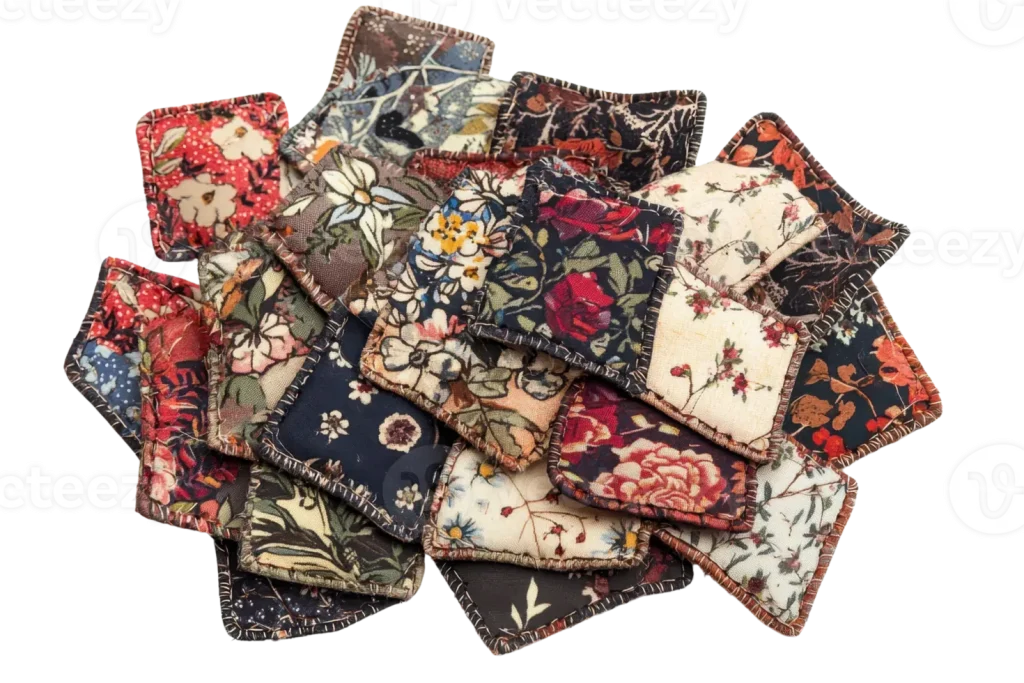
Fabric Patches are one of the simplest, most versatile ways to extend the life of clothing, breathe new life into old garments, and add a personal touch to totes, jackets, and backpacks. People commonly recognize three main options for repairs and embellishments, each with its own strengths. One popular option is iron-on patches, a quick fix for many fabrics. Each choice has its own process, benefits, and best-use scenarios, depending on fabric type and wear patterns. With the right technique, you can apply patches neatly and with confidence.
Beyond the basics, these embellishments are often described as fabric badges, garment emblems, or decorative appliques that attach via heat, stitches, or a blend of methods. For durability and variety, you can choose adhesive-backed options, sew-on variants, or embroidered patches with intricate stitching. If you’re unsure where to start, consider the garment’s use, the expected wear, and the look you want, whether subtle or bold. If you’re seeking practical how-to guidance, how to apply fabric patches covers both heat-activated basics and stitch-secured methods. With the right approach, these fabric embellishments refresh wardrobes, help protect seams, and express personal style.
Fabric Patches: Repair, Personalize, and Extend Your Garments
Fabric Patches offer a simple, versatile way to mend holes, cover stains, and add personality to clothing and accessories. From denim jackets to tote bags, patches can extend the life of fabrics while reflecting personal style. When you consider Fabric Patches, you’re choosing a tool that blends practicality with a chance to customize every item in your wardrobe.
There are three main options to choose from: iron-on patches, sew-on patches, and embroidered patches. Each type has its own application method, durability profile, and best-use scenarios, which influences how you select patch fabrics and plan your project. Understanding these differences helps you apply patches with confidence and achieve a look that lasts.
Iron-On Patches: Quick Fixes with Limited Drawbacks
Iron-on patches are prized for speed and ease. The back of these patches contains a heat-activated adhesive that bonds to fabric when pressed with a hot iron. They’re especially convenient for quick repairs or decorative touches on sturdy textiles like cotton, denim, canvas, and twill.
But iron-on patches have limits. The adhesive may not bond well to slick or coated fabrics, and on very stretchy materials the bond can fail as the fabric stretches. For high-wriction areas or items that go through frequent washing, you may need to add a few stitches around the edge to ensure long-lasting adhesion.
Sew-On Patches: Durability and Versatility for Everyday Wear
Sew-on patches rely entirely on stitching to attach to the base fabric, offering robust durability across a wide range of materials, including knits and stretch fabrics. They often feature a defined edge, sometimes with a merrowed border, and you can customize thread color and stitch style for a seamless look.
Applying sew-on patches involves stabilizing the fabric, pinning the patch in place, and stitching around the border with a tight backstitch, a running stitch, or a zigzag stitch. On stretchy fabrics, small adjustments like stretch-friendly backstitching help prevent loosening as the garment moves, making sew-on patches a popular choice for high-friction areas and frequently washed outerwear.
Embroidered Patches: Texture, Detail, and Functional Style
Embroidered patches bring intricate motifs and texture to garments, often becoming focal points on jackets, bags, and hats. They can be standalone embroidered designs or backed with iron-on or sew-on options, combining the artistry of embroidery with convenient attachment methods.
The depth and vibrancy of embroidered patches make them ideal for detailed artwork where texture matters. When choosing how to attach them, consider the garment and usage: a sturdy base might benefit from a sew-on backing for longevity, while a durable iron-on backing can be convenient on less-stressed areas—though extra edge stitching is often wise for added security.
Choosing the Right Patch for the Job: Fabric, Usage, and Design Goals
Selecting the right patch involves evaluating fabric compatibility, garment type, and how the item will be worn or washed. Cotton, denim, canvas, and sturdy twills generally accept iron-on patches well, while delicate fabrics may perform better with sew-on or embroidered patches that come with robust backing.
Consider the wash-and-wear expectations and the movement of the area being patched. In high-mriction zones or on daily-worn outerwear, sew-on patches or embroidered patches with secure backing typically outperform iron-ons alone. For a cleaner, flat look, iron-on patches can be ideal when the adhesive bonds securely to the fabric, especially with patches that have reinforced edges.
Application Tips and Care for Patch Fabrics
Whether you’re using iron-on patches, sew-on patches, or embroidered patches, proper preparation is essential for a durable, professional finish. Start by washing and ironing the garment to remove wrinkles, then test heat and bond on a scrap piece of the same material to ensure the patch will adhere properly.
Ongoing care for patch fabrics includes cold or warm water washing and air-drying to protect the threads and adhesives. Regularly inspect patches for lifting edges and re-sew or re-adhere as needed, especially in cuffs, pockets, and hems. If you’re unsure of the best method, consult patch-specific care instructions and consider adding a few securing stitches around the edge for added longevity.
Frequently Asked Questions
What are the main types of fabric patches and how do iron-on patches differ from sew-on patches in terms of durability and best uses?
Fabric patches come in three common varieties: iron-on patches, sew-on patches, and embroidered patches. Iron-on patches bond with heat for quick fixes on sturdy fabrics like cotton and denim but can lift on slick or stretchy fabrics. Sew-on patches rely on stitching and are typically more durable in high-wear areas, while embroidered patches add texture and can be paired with either backing for flexibility.
How do you apply fabric patches using iron-on backing and what steps ensure a strong bond across different fabrics?
To apply fabric patches with an iron-on backing, test heat on a scrap fabric, place the patch in position, cover with a thin cloth, and press with a hot dry iron for 15–30 seconds. Let it cool completely and check the bond; for extra security, sew around the edge or add a second press if needed.
What should I consider when choosing embroidered patches over iron-on patches or sew-on patches for a backpack or jacket?
Embroidered patches offer rich texture and depth, making them ideal for decorative or statement pieces. If you want quick application, choose iron-on backing or sew-on backing depending on fabric compatibility, and for durability in high-wear areas, sew-on patches generally perform best.
Which fabrics are best suited for patch fabrics when using iron-on patches versus sew-on patches?
Patch fabrics like cotton, denim, canvas, and sturdy twills accept iron-on patches reliably, while delicate fabrics such as silk or highly textured materials may perform better with sew-on patches or require a stabilizer for embroidery backing.
What maintenance steps help fabric patches stay secure and vibrant after many washes, including iron-on patches?
Follow care guidelines: use cold to warm water cycles and avoid hot water, air-dry when possible, inspect edges periodically, and re-sew or re-adhere as needed, especially on high-friction areas; for iron-on patches, allow a full cure before washing.
What are common mistakes when applying fabric patches, and how can you avoid issues with iron-on or sew-on patches?
Common mistakes include excessive heat, not testing the adhesive, choosing the wrong patch for the fabric, misalignment, and insufficient edge stitching. Avoid them by testing heat on scrap, marking placement, selecting the right patch type for the fabric, and adding securing stitches around the edges where needed.
| Patch Type | Key Points |
|---|---|
| Iron-On Patches | Quick and convenient on sturdy fabrics; heat-activated adhesive bonds with a hot iron; finishes flat and nearly invisible; best on cotton, denim, canvas, and twill; limitations include poor adhesion on slick or stretchy fabrics and potential need for edge stitching for durability. |
| Sew-On Patches | Durable and versatile; attached by stitching; works on stretch fabrics; allows color and edge choices; ideal for high-friction areas; requires fabric preparation, pinning, and stitching; longer install time but long-lasting. |
| Embroidered Patches | Artful designs with texture; can have iron-on or sew-on backing; offers detailed motifs and depth; great focal points; may require backing compatibility and edge stitching for durability. |
| Choosing the Right Patch | Consider fabric compatibility, wash expectations, movement, design goals, backing options, and final finishes to match the garment and use. |
| Application Tips | Iron-On: test heat, position, cover, press 15–30 seconds, cool, optional edge stitch; Sew-On: stabilize fabric, align, pin, stitch around edge with backstitch or zigzag; Embroidered patches: choose backing based on method; plan for durability. |
| Care & Maintenance | Wash on cold or warm cycles, avoid hot water; air-dry preferred; inspect and re-secure as needed; store patches flat to prevent creasing. |
| Common Mistakes | Too much heat or moisture can warp adhesive; peeling edges; wrong fabric choice; improper alignment; always test on scrap and mark position before applying. |
Summary
Fabric Patches open a world of mending, customization, and durable protection for clothing and bags, offering iron-on, sew-on, and embroidered options. Iron-On Patches provide quick, flat finishes on sturdy fabrics, but may struggle on slick or highly stretch fabrics, and might need edge stitching for long wear. Sew-On Patches deliver exceptional durability and versatility across a wide range of fabrics, including knits, though they require stitching and time. Embroidered Patches offer intricate designs and texture, with options for iron-on or sew-on backing, making them ideal as focal points or statement pieces. When choosing a patch, consider fabric compatibility, wash expectations, movement stresses, and the desired visual effect. With proper technique and care, Fabric Patches can extend the life of garments and accessories while adding personality and style.