
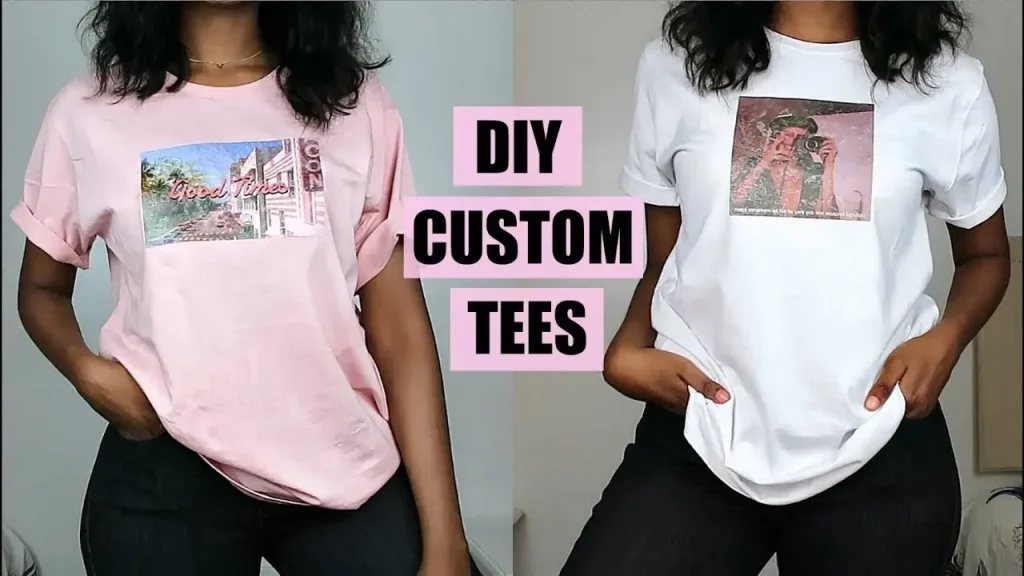
DIY Custom Shirts empower you to wear your ideas and save money on unique wardrobe pieces. From planning to the finish, this guide covers design ideas, screen printing at home options, and heat transfer printing techniques to help you get professional results. If you want to design your own shirt, you’ll discover practical t-shirt design tips to ensure your colors stay vibrant and your text remains legible. If you’re curious about the process, this beginner-friendly approach walks you through planning, printing, curing, and care to extend the life of your designs. With simple steps and the right supplies, you can create shirts that align with a custom t-shirt printing guide while staying affordable.
In other words, this is home-based apparel creation, where you personalize tees with your own graphics. From at-home screen printing to transfer methods, the same workflow applies, just described with alternative terms. Whether you call it custom apparel production, DIY garment crafting, or personalized tee projects, the core steps remain planning, design, print, cure, and care.
DIY Custom Shirts: From Idea to Wearable Art at Home
DIY Custom Shirts empower you to transform a simple concept into a tangible piece of wearable art. By outlining a clear plan—from concept to cotton—you can move efficiently through design, printing, curing, and care. This approach makes it feasible to produce unique tees without a full studio, so you can experiment with styles, messages, and colors that reflect your personal aesthetic. If you’re looking to design your own shirt, this mindset keeps the process creative yet organized.
Understanding your options is the first step toward a successful at-home project. You can favor screen printing at home for durability and a classic look, or opt for heat transfer printing for speed and complex color work. Both methods can be mixed within a single project, allowing you to tailor each shirt to its design needs. With a straightforward workflow—plan, design, print, cure, and care—you’ll gain confidence in turning ideas into wearable art.
Screen Printing at Home: Setup, Materials, and Step-by-Step Process
Screen printing at home starts with the right setup and reliable materials. A portable screen frame with a mesh, emulsion to coat the screen, a light source for exposing your stencil, a squeegee for ink application, fabric ink or water-based ink, and a sturdy workspace all contribute to a smooth production flow. One major advantage of this method is the ability to produce multiple shirts quickly once you’ve perfected a stencil and the ink compatibility with your chosen fabric.
Preparing your design for screen printing involves creating a stencil, coating the screen with emulsion, exposing the design, and rinsing to reveal the stencil. After it dries, you’re ready to print. The key is to keep your workspace clean and align the shirt precisely to prevent misprints. With practice, you’ll learn how to dial in ink viscosity, squeegee pressure, and reprint timing to achieve crisp, durable results.
Heat Transfer Printing at Home: Quick Colorful Designs and Tips
Heat transfer printing offers a fast path to vibrant, full-color designs. Equipment typically includes a color printer capable of handling iron-on transfer paper or heat transfer vinyl, backing paper, a cutter or scissors for trimming, and a heat source such as a heat press or household iron. This method is particularly appealing for complex imagery or photos, where multi-color detail can be reproduced with relative ease.
The workflow for heat transfer printing involves printing onto transfer paper, cutting away excess material, and pressing the design onto the garment. Pay attention to the transfer’s temperature, pressure, and time guidelines to ensure durable bonds. While transfers can deliver bold visuals quickly, they may require careful curing and washing considerations to maintain vibrancy over time.
Design Your Own Shirt: Tips for Strong Concepts, Typography, and Color
A strong concept is the foundation of any successful design. Start by defining the purpose—merch for an event, a personal statement, or a gift—and use that focus to guide color palettes, typography, and placement. Beginners often benefit from starting with a single, bold image or concise text to learn the essentials before layering more elements into a composition. This aligns with practical t-shirt design tips that stress legibility and impact at a distance.
Typography plays a pivotal role in readability and mood. Choose sans-serif or bold display fonts that remain legible on fabric, and test sizes by printing samples at the intended shirt size. Color decisions should consider how your shirt color interacts with ink—contrast matters for quick recognition. If you’re converting a digital design to print, keep vectors where possible for scalable precision and ensure any fonts are licensed or converted to outlines to avoid licensing issues.
A Custom T-Shirt Printing Guide: Choosing Between Methods and Best Practices
This custom t-shirt printing guide helps you decide when to use screen printing at home versus heat transfer printing. For durability and a classic, long-lasting finish, screen printing is often the preferred method, especially for runs with a limited color palette. For rapid turnaround and full-color images, heat transfer printing offers flexibility and speed without a large setup. Your choice should reflect the project scope, budget, and desired texture on the fabric.
Beyond method choice, plan the workflow from file readiness to curing and care. Prepare high-resolution or vector-based designs, ensure color separations are correct, and test print on scrap fabric before committing to a shirt batch. A well-documented custom t-shirt printing guide also covers budgeting, equipment upgrades, and scaling—so you can grow from a single project into a small line with consistent quality and repeatable results.
Troubleshooting, Care, and Scaling DIY Shirt Projects
Even with careful planning, issues can arise. Common challenges include misalignment, uneven ink, fading colors, bleeding, or ghosting. To address misalignment, use a flat printing surface and alignment marks, and consider a helper to keep the design square during printing. For color problems, verify that emulsion and ink are appropriate for the fabric and that transfer temperature and timing are correct for heat transfers.
Proper care extends the life of your DIY shirts. Wash inside out on cold with a gentle cycle, and avoid high heat in the dryer. Screen-printed garments benefit from avoiding abrasive detergents, while heat transfer designs often fare best with air-drying or low-heat tumble drying. As you scale, gradually increase production by adding more shirts, upgrading to additional screens or a dedicated heat press, and refining your workflow to maintain consistency across batches.
Frequently Asked Questions
What are DIY Custom Shirts and how can you design your own shirt using screen printing at home or heat transfer printing?
DIY Custom Shirts means creating personalized garments at home from your own ideas. For at-home printing you can use screen printing at home for durable, classic results or heat transfer printing for quick, full-color designs. This approach follows a simple cycle: plan, design, print, cure, and care to bring your concept to wearables.
What equipment do I need to start with screen printing at home when making DIY Custom Shirts?
For screen printing at home, assemble a portable screen frame with a mesh screen, emulsion, a light source for exposure, a squeegee, fabric ink or water-based ink, a flat print surface, and protective supplies like gloves and masking tape. You may also need a curing method and a clean workspace. If you also explore heat transfer printing, a color printer and heat press or iron are the typical alternatives.
How do I decide between screen printing at home and heat transfer printing for my DIY Custom Shirts project?
Consider durability, color richness, setup costs, and production speed. Screen printing at home offers long-lasting inks and a traditional look, while heat transfer printing provides vibrant full-color designs and flexibility for complex images. You can even combine methods to suit different shirts in a single batch.
What are some essential t-shirt design tips for DIY Custom Shirts?
Start with a clear concept and decide on placement (center chest, sleeve, or back). Use legible typography and limit colors to 2–3 for screen printing at home, or embrace full color with heat transfer printing. Prepare a high-resolution or vector file to ensure sharp printing, and test print at the target shirt size.
What is a practical step-by-step workflow to create your DIY Custom Shirts according to the custom t-shirt printing guide?
Plan the project and choose the method, gather supplies, create and finalize the design, prep the shirt, set up the printing surface, run a test print, print the design, cure the print, and finally care for the garment. This workflow covers both screen printing at home and heat transfer printing, helping you scale from a single shirt to small runs.
How should I care for DIY Custom Shirts to keep the print looking sharp after you finish your project?
Follow washing and drying guidelines tailored to your method: wash inside out in cold water when possible and avoid high heat. For screen-printed designs, avoid abrasive detergents; for heat transfers, air-dry or use a low-heat tumble dry. Proper care preserves color, clarity, and durability over time.
| Topic | Key Points | Practical Takeaway |
|---|---|---|
| Overview | DIY Custom Shirts have grown in popularity as people seek affordable, unique wardrobe options and a creative outlet. The guide covers two main methods—screen printing at home (durable, classic) and heat transfer printing (fast, full color)—and emphasizes planning, design, printing, curing, and care, with the option to mix methods on a project. | Plan and choose a method; follow a clear, repeatable workflow. |
| Printing Methods | Screen printing offers durability and a traditional look; heat transfer provides quick color, flexibility, and the ability to handle complex images. You can combine methods within a single project. | Select the method based on design goals; consider durability, color, and fabric color. |
| What You Need | Screen printing: portable screen frame with mesh, emulsion, light source, squeegee, fabric ink, work surface, gloves, and tape. Heat transfer: color printer for transfer paper or vinyl, backing paper, scissors/cutter, and a heat press or household iron. | Set up a simple, efficient workflow; start with basic kits for each method. |
| Designing Your Shirt | Define a clear concept; plan placement (center chest, sleeve, or back); choose legible typography and appropriate colors; ensure file readiness (high-resolution, vector or outlines). Test print sizes and consider shirt color’s effect on perceived hue. | Begin with a strong concept and scalable, print-ready design. |
| Step-by-Step Workflow | Plan the project and method, gather supplies, finalize the design, prep the shirt, create the stencil or transfer, print, cure, inspect, and care for the garment. | Follow a repeatable 8–10 step process to minimize errors. |
| Troubleshooting & Care | Common issues include misalignment, color fade, and bleeding. Fixes: ensure flat shirts, proper curing and temperature, and clean edges; care instructions include washing inside-out, cold water, and avoiding high heat. | Keep quick fixes ready and establish a care routine to extend print life. |
| Budget & Scaling | Costs depend on inks, screens, and emulsions. Heat transfer can be cheaper for small runs. Scaling up may involve more screens, new transfer papers, or a dedicated heat press. | Start small, test your workflow, and plan for scalable growth. |
| Creative Ideas | Experiment with multi-color layering, metallic or glow inks, foil transfers, and specialty papers to create unique textures and finishes. Design shirts for teams, clubs, or personalized gifts. | Push boundaries with finishes and customization to stand out. |
Summary
DIY Custom Shirts open a world where personal expression meets hands-on craft, letting you turn ideas into wearable art at home. Designing and printing your own shirts blends artistry with practical technique, offering durable, customizable options whether you choose screen printing for a traditional look or heat transfer for vibrant color and flexibility. This descriptive overview highlights planning, designing, printing, curing, and care to help you build a repeatable workflow. With patience and practice, DIY Custom Shirts can become a reliable canvas for self-expression, small-business ventures, or thoughtful gifts. Happy printing and enjoy turning ideas into wearable art.