
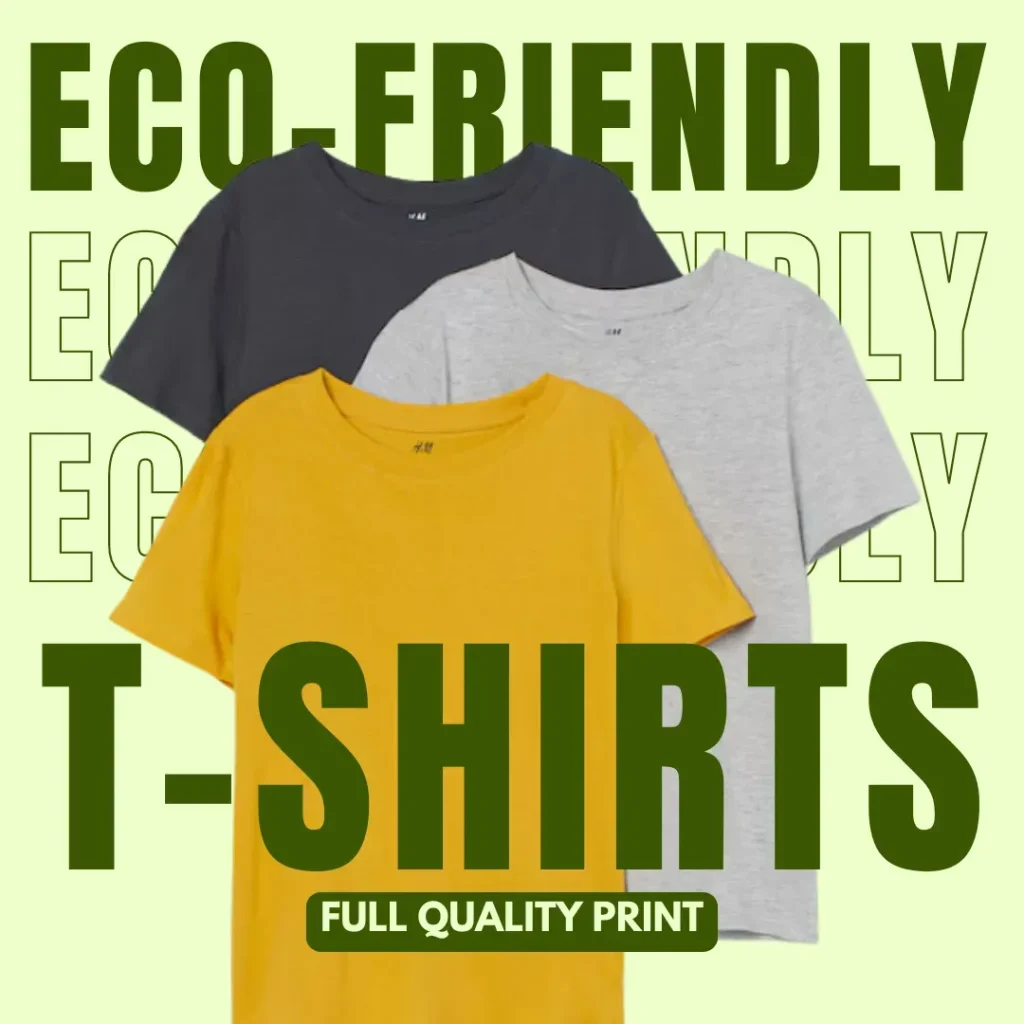
Eco-friendly custom shirts blend style with responsibility, giving wearers a chance to express values without compromising quality. Created with sustainable materials and thoughtful printing, they reduce environmental impact while delivering soft, durable fabrics. Materials such as organic cotton and recycled materials join with water-based inks to offer vibrant color and a lower footprint. Choosing ethical printing practices helps ensure fair labor, safer processes, and cleaner end products. When brands and individuals demand transparency from fiber to finish, eco-friendly shirts become a robust choice for everyday wear.
From a broader perspective, this approach to apparel prioritizes green fabrics, ethical sourcing, and responsible production. Sustainable fashion embraces organic fibers, recycled materials, and low-impact printing methods that minimize waste and water use. Consumers today seek apparel built on transparent supply chains, fair labor practices, and durable design rather than disposable trends. By pairing natural fibers with water-based inks and on-demand manufacturing, brands can reduce environmental footprints while maintaining bold aesthetics. This shift toward responsible production helps align style with stewardship, making green apparel a practical choice for both individuals and businesses.
Eco-friendly custom shirts: A holistic approach to sustainable fashion
In today’s wardrobe, Eco-friendly custom shirts represent a holistic approach that marries style with responsibility. From fiber selection to end-of-life, every decision affects footprint. Designers focusing on sustainable materials and ethical printing practices deliver garments that perform while respecting people and planet. By prioritizing lifecycle thinking, a shirt becomes more than fabric and ink—it becomes a statement about values, quality, and longevity.
Brands that embrace on-demand, small-batch production minimize waste and inventory pressure. Transparent supply chains, material disclosures, and take-back options reinforce trust with environmentally conscious consumers. When this integrated approach is paired with organic cotton or recycled materials, eco-friendly shirts achieve both durability and responsible appeal.
Sustainable materials that power eco-friendly shirts
Choosing sustainable materials is the first step to lowering environmental impact. Organic cotton reduces chemical loads and supports soil health, while recycled materials cut virgin resource use and divert waste from landfills.
Beyond cotton and plastics, blends with TENCEL Lyocell or hemp offer breathability and strength. Lifecycle thinking helps brands evaluate farming practices, dyeing chemicals, and end-of-life options to ensure the fabric choice aligns with long-term sustainability goals.
Organic cotton: The soft backbone of responsible apparel
Organic cotton provides a soft, comfortable hand while minimizing toxic pesticide exposure. Farms employing crop rotation and soil-building methods support biodiversity and water stewardship.
Shirts made from organic cotton can be blended with recycled materials to boost performance without sacrificing environmental benefits. Such blends enable durable, colorfast garments suitable for frequent wear.
Printing with water-based inks: reducing toxins and waste
Water-based inks are typically lower in toxicity than traditional plastisol options, aligning with ethical printing practices and safer workplaces. They bond well with natural fibers and often soften after washing, enhancing comfort.
Digital or on-demand printing using water-based inks reduces overproduction and waste. When combined with low-VOC pretreatments and responsible dyeing, this method supports lower energy use and cleaner end products.
Recycled materials: closing the loop in shirt production
Recycled materials transform waste streams into wearable fabric. Recycled polyester and recycled cotton help cut fossil fuel demand and shrink the garment’s overall footprint.
Integrating recycled fibers with responsible finishing and dyeing processes ensures colorfast, durable shirts. Close-loop strategies, like take-back programs, extend garment life and support circular fashion.
Ethical printing practices and choosing sustainable partners
Ethical printing practices encompass ink choice, chemical management, and safe working conditions across the supply chain. Transparent traceability and regular supplier audits demonstrate a commitment to people and the planet.
Selecting partners with credible certifications and a willingness to share lifecycle data builds confidence with brands and consumers. Certifications such as GOTS, OEKO-TEX, or Bluesign signal alignment with sustainable materials, water-based inks, and responsible production.
Frequently Asked Questions
What defines Eco-friendly custom shirts, and how do sustainable materials like organic cotton contribute to their environmental footprint?
Eco-friendly custom shirts prioritize environmentally responsible materials and processes from fiber to finish. Sustainable materials such as organic cotton reduce chemical use and support soil health, while recycled fibers, blends, and lifecycle thinking help minimize overall impact. The result is garments that perform well, look good, and align with sustainability goals.
How do water-based inks impact Eco-friendly custom shirts compared with traditional inks?
Water-based inks are typically lower in volatile organic compounds (VOCs) and easier to treat during washing and finishing, reducing environmental impact. They bind well to natural fibers like organic cotton, producing a softer hand and durable color.
Can Eco-friendly custom shirts incorporate recycled materials, and what options are common?
Yes. Recycled materials such as recycled polyester and recycled cotton can reduce waste and lower reliance on virgin feedstocks. These fibers can be used in blends to balance durability, comfort, and sustainability, though care should be taken to match fabric performance with end use.
What are ethical printing practices for Eco-friendly custom shirts, and why do they matter?
Ethical printing practices involve safe, fair labor conditions, transparent supplier audits, and responsible chemical management. Choosing printers that use low-tox inks (such as water-based inks) and follow responsible dyeing and waste handling helps protect workers and the environment.
How should brands assess the lifecycle of Eco-friendly custom shirts from farm to finished garment?
Adopt a lifecycle approach that evaluates fiber farming and processing, dyeing and finishing, transportation and packaging, and end-of-life options. Look for credible certifications (e.g., GOTS, OEKO-TEX Standard 100, Bluesign) that reflect environmental and social performance.
What certifications or disclosures should buyers look for in Eco-friendly custom shirts to verify sustainable materials, water-based inks, and ethical printing?
Seek independent certifications such as GOTS for organic textiles, OEKO-TEX Standard 100 for tested fabrics, and Bluesign for responsible production. Request fiber origin disclosures, proof of ethical printing practices, and transparency across the supply chain.
| Aspect | Key Points |
|---|---|
| Core Concept | Eco-friendly custom shirts blend sustainable materials with responsible printing to reduce environmental impact while maintaining style and durability. |
| Materials | – Organic cotton; recycled materials; TENCEL Lyocell; hemp/bamboo blends; lifecycle-thinking blended fabrics for durability and lower footprint. |
| Dyeing & Finishing | Low-water dyeing, closed-loop chemical management, and responsible finishing to minimize water, energy, and chemical use. |
| Printing Practices | Water-based inks; plant-based inks; pigment and discharge printing; low-VOC additives; digital/on-demand printing to reduce waste. |
| Lifecycle Thinking | Considers farm-to-finished-garment stages; supports certifications like GOTS, OEKO-TEX, Bluesign for transparency and responsibility. |
| Certifications | GOTS, OEKO-TEX Standard 100, Bluesign; supply-chain transparency and credible third-party verification. |
| Practical Tips for Brands & Consumers | Ask for material disclosures; inquire about inks; ensure supply-chain traceability; consider end-of-life options; evaluate total cost of ownership. |
| Care & Longevity | Follow care labels; wash cooler and less often; air dry; repair rather than replace; rotate wardrobe to extend life. |
| Economic & Environmental Trade-Offs | Small-batch on-demand reduces waste but may raise per-unit costs; large-scale production can improve efficiency but may increase packaging/inventory waste; aim for balanced, transparent strategies. |
| Case Studies & Real-World Examples | Hypothetical examples show organic cotton farming, low-water dyeing, water-based inks, digital-on-demand, and clear certifications coming together to reduce environmental impact. |
Summary
Conclusion