
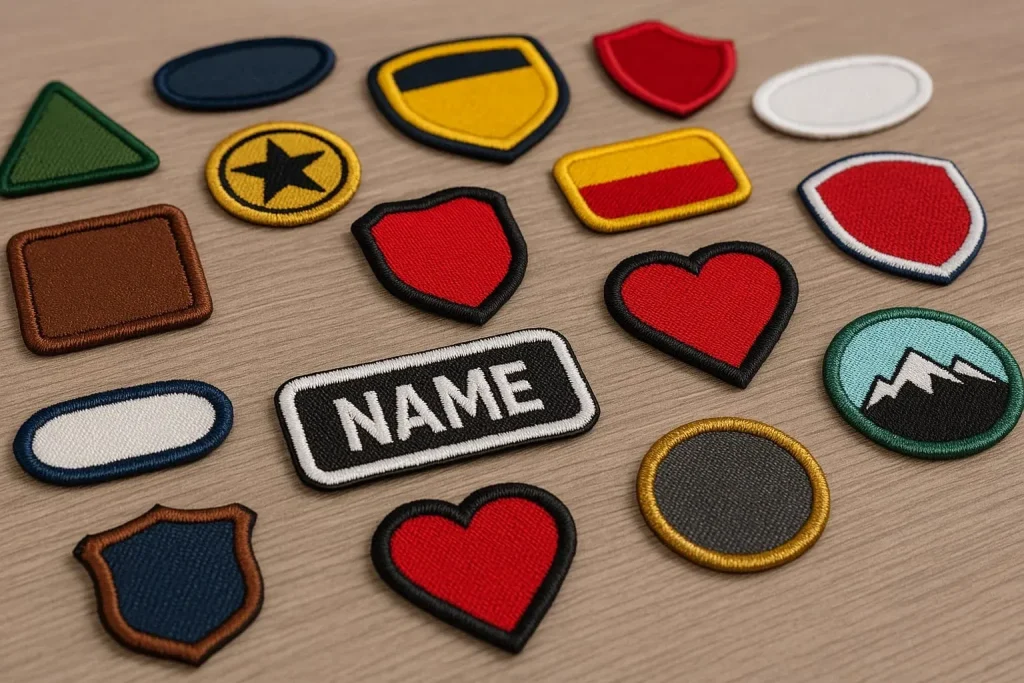
Patches have moved beyond mere mending supplies to become a central element of personal style. In today’s fashion landscape, patches are celebrated for practicality, creativity, and sustainability, inviting DIY fashion alterations. From rescuing a jacket to reviving jeans, patches extend wardrobe life and add character with thoughtful patchwork ideas. This guide shows patch types, essential tools, and techniques that keep patches looking intentional. Whether you repair, embellish, or redesign, patches offer a versatile path to personal style.
Beyond the term patches, many crafters talk about fabric appliqués, garment reinforcements, or textile embellishments that mend, accent, and tell a story. This approach supports durability while embracing sustainability, often leveraging reusable fabrics and careful material selection. People explore a spectrum of methods—from heat-activated transfers and sew-on badges to decorative overlays—that blend utility with personal style. Applied thoughtfully, these techniques turn worn pieces into wardrobe statements, showing how small details can change the character of a jacket, bag, or sweater. As with any creative project, balance, proportion, and care guide the process to ensure seams hold, edges stay neat, and the overall look feels cohesive. Think of these techniques as a language for fabric restoration, allowing you to tailor repairs to fabric type, weight, and stretch. They dovetail with modern aesthetics, enabling subtle reinforcement that remains invisible, or bold overlays that become intentional design features. Whether you’re mending a beloved coat or refreshing a backpack, the approach stays practical, affordable, and mindful of the environment. This approach embraces everyday materials and timeless craftsmanship.
Patches as Personal Style: Modern Fashion and Sustainability
Patches have evolved from simple fixes into a deliberate style statement. They celebrate upcycling clothing and sustainable fashion, letting you breathe new life into old pieces through DIY fashion alterations. By embracing Patches, you join a broader movement that values creativity, durability, and a reduced environmental footprint, turning repair into an act of personal expression.
In practice, patches mix practicality with design. They empower you to rescue a favorite denim jacket or customize a tote while staying faithful to your budget and values. This patch-focused approach blends patchwork ideas with practical repair, ensuring your garments stay stylish and functional for years to come.
Choosing the Right Patch Types and Materials for Your Fabric
There isn’t a one-size-fits-all patch. From iron-on to sew-on, embroidered patches to fabric appliqués, each type has strengths and limitations. When selecting patches, think about fabric weight, heat tolerance, and how the patch will hold up to wear. This is where sewing patches and patch repair techniques come into play as you plan repairs or decoration.
Materials vary by patch type and fabric. For lighter knits, choose stretch-friendly patches; for dense denim or canvas, go with sturdy iron-on or sew-on options. Consider color balance and edge behavior to keep edges neat over time.
Tools, Techniques, and Best Practices for Patch Repairs
To achieve professional results, gather essential tools such as sharp scissors or a rotary cutter, matching thread, a suitable needle, pins, an iron, and a sewing machine. These basics support patch repair techniques and help you create durable, barely-visible reinforcements.
Techniques to master include surface prep, precise positioning, edge securing with zigzag or satin stitches, reinforcement with stabilizer, and proper finishing after heat setting for iron-on patches. Regular practice builds confidence and reduces error on delicate fabrics.
DIY Fashion Alterations with Patches: From Repairs to Statement Pieces
Patches expand your wardrobe toolbox, enabling DIY fashion alterations that go beyond fixing holes. You can patch pockets for extra durability, patch elbows on sweaters for a chic twist, or create patchwork yokes and panels that transform a plain garment into a unique piece. This approach centers on patchwork ideas that combine function with style.
As you design, consider placement, balance, and rhythm across the garment. Aim for cohesive storytelling—let patches reflect your interests or journeys—while using patches to reinforce wear areas for longevity.
Creative Patchwork Ideas and Upcycled Fashion Projects
If you want to push patchwork further, explore patch collage quilts on denim jackets or totes, monochrome patchwork for a sophisticated look, and themed patches that tell a story. Upcycling clothing through patchwork ideas reduces waste and breathes fresh life into old fabrics.
Source patches from thrifted garments, fabric scraps, or leftover trims to build a sustainable collection. Small, well-placed patches can create bold visual statements without overwhelming the garment.
Care, Longevity, and Maintenance for Patch-Enhanced Garments
Patches should last as long as the garment itself. To maximize longevity, wash inside out on gentle cycles, avoid high heat that can loosen iron-on adhesives, and inspect patch edges regularly. Safe storage in a cool, dry place helps prevent deterioration around patched areas.
When a patch shows wear, re-sew or replace it to preserve the garment’s integrity. Regular maintenance, combined with mindful laundering, keeps your patchwork looking intentional and durable, supporting ongoing upcycling of your wardrobe.
Frequently Asked Questions
What are effective patch repair techniques for mending worn denim with patches?
For denim, patch repair techniques include sew-on patches for durability and iron-on patches for quick fixes. Cut the patch slightly larger than the worn area, place it on the inside to keep the exterior neat, and sew around the edge with a tight zigzag stitch. If the fabric is thick, add a stabilizer to prevent gaping, then wash on a gentle cycle to set the patch.
How can patches support DIY fashion alterations in creating custom garments?
Patches enable DIY fashion alterations by reinforcing weak spots, covering stains, or adding decorative flair. Start with patch type, plan placement, and apply with either sewing or heat-setting, then finish with secure stitching and careful washing to preserve the look.
What patch materials and approaches work best for upcycling clothing projects?
For upcycling clothing, choose patches that match fabric weight and stretch; cottons and knits require different approaches, while denim and leather patches add rugged style. Consider color balance and edge behavior to ensure the patch ages gracefully. This approach supports sustainability by reusing fabric scraps and extending a garment’s life.
How do you choose between iron-on, sew-on, and embroidered patches for patchwork ideas?
When choosing patch types for patchwork ideas, iron-on patches are quick on lightweight fabrics, sew-on patches provide the strongest bond on heavy fabrics, and embroidered patches offer a bold centerpiece for fashion statements. Check heat tolerance and washing requirements before applying, and tailor the choice to fabric type and desired look.
What tools and techniques are essential for patch repairs and patchwork ideas across fabrics?
Key tools include sharp fabric scissors or a rotary cutter, matching thread, a suitable needle, pins or clips, an iron and ironing board, a seam ripper, stabilizer, and a sewing machine if available. Techniques cover surface prep, patch placement, edge stitching, reinforcement, and secure finishing to create durable patches and cohesive patchwork ideas.
What care steps help patches endure wear and maximize longevity of patched garments?
To maximize longevity, wash patched garments inside out on gentle cycles, avoid high heat that can weaken adhesives on iron-on patches, and regularly inspect and resew edges as needed. For heat-set patches, ensure they’ve fully bonded before washing, and replace patches when they lift or fray to keep the garment looking purposeful.
| Section | Key Points |
|---|---|
| Introduction | Patches have moved beyond mending to become a central element of personal style; celebrated for practicality, creativity, and sustainability. They extend the life of jackets, jeans, and totes. The base content introduces a DIY-focused guide covering patch types, tools, repair methods, design ideas, and best practices. |
| Section 1 — Why patches matter in modern fashion | Patches express personal identity and values; they signal hobbies or whimsy. They repair wear while preserving beloved pieces, contributing to upcycling, sustainability, and reduced environmental footprint. They empower DIY alterations and invite experimentation with color and texture as a craft mindset. |
| Section 2 — Patch types and materials | Common styles include: iron-on, sew-on, embroidered patches, fabric appliqués, leather/faux-leather patches, and decorative patches. Materials vary by patch type and fabric; considerations include color balance, fabric weight, edge behavior (crisp vs. frayed), and suitability for different textiles. |
| Section 3 — Tools and techniques | Essential tools: sharp scissors or rotary cutter, matching thread and appropriate needles, pins or clips, iron and board, seam ripper, stabilizer, and a sewing machine. Techniques: surface prep, positioning, edge securing with stitches, reinforcement, finishing steps, and appropriate heat-setting for iron-ons. |
| Section 4 — Patch repair techniques for common problems | Denim knee repairs (inside patch for clean exterior or decorative outer patch); elbow patches on knits with stretch-friendly patches; hole patching in lightweight fabrics using stabilizer and perimeter stitching. Each method balances durability with aesthetics. |
| Section 5 — DIY alterations and patch design ideas | Patch pockets and elbows, patchwork yokes/panels, color-block and tonal patches, and storytelling through patches. Placement should aim for balance and rhythm to avoid overwhelming the garment. |
| Section 6 — Patchwork ideas for creative expression | Patch collage quilts, monochrome patchwork, themed patches (nature, travel, music), recycled fabric patches, and minimalist accents for varied visual impact. |
| Section 7 — Care, maintenance, and longevity | Care tips include washing inside out on gentle cycles, avoiding high heat, regular edge inspection, proper storage, and replacing patches when needed to preserve garment integrity. |
| Conclusion | Patches empower repair, customization, and extending the life of your wardrobe while expressing personal style; they connect practicality with creativity and sustainability. By understanding patch types, materials, tools, and techniques, you can tackle denim, knits, jackets, and bags with confidence. The practice blends craft with imagination, supporting responsible upcycling and a distinctive fashion voice. |
Summary
HTML table provided above summarizes the key points of the base content. The follow-up conclusion reinforces the Patches topic in a descriptive, SEO-conscious style.