
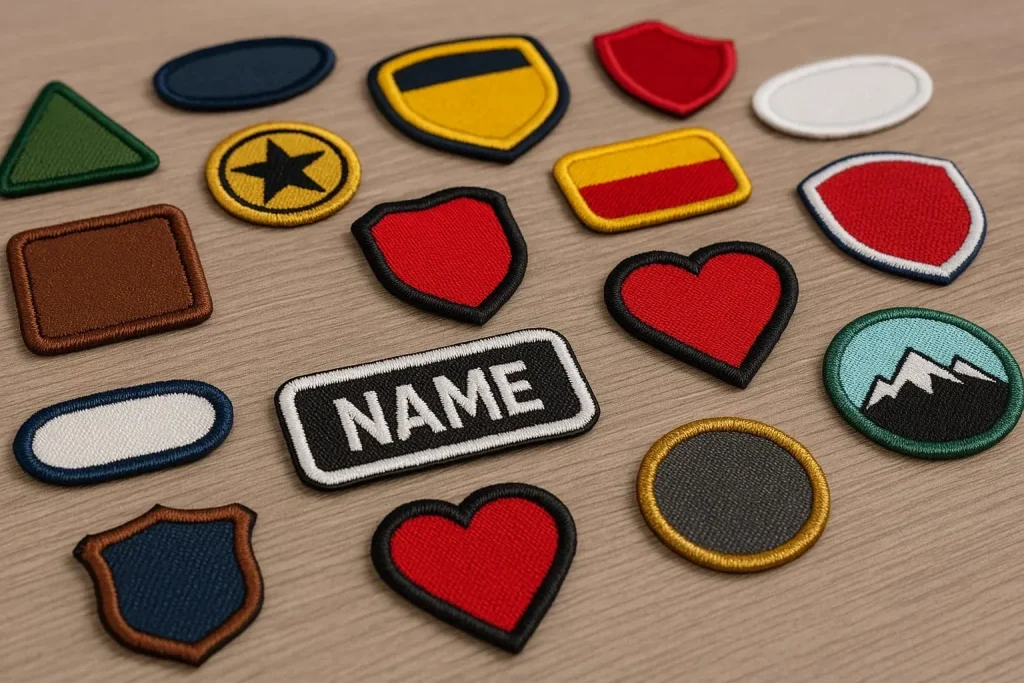
Patch design ideas have transformed wardrobes, turning plain jackets, backpacks, and jeans into portable canvases. They let you express personal style while embracing sustainability, and patches on jackets offer a bold way to refresh old gear. If you’re exploring DIY patches, this guide covers layout and stitching so you can customize items with confidence. A thoughtful layout strategy—whether color-blocks, narrative clusters, or minimalist accents—helps each piece tell a balanced story. By combining materials, textures, and patch placement ideas, you can create distinctive looks that last.
Viewed as wearable art and upcycling, patch styling goes beyond simple decoration to become a sustainable fashion technique. Think of decorative fabric patches, applique accents, and textile embellishments that mend, modernize, or personalize jackets, backpacks, and jeans. This broader language aligns with current fashion conversations about durable materials, expressive motifs, and thoughtful color stories. Focusing on themes and textures helps you turn a small repair into a statement piece that feels fresh season after season.
Patch design ideas for jackets, backpacks, and jeans
Patch design ideas have the power to turn ordinary garments into expressive canvases. By selecting patches that reflect your interests—travel, music, nature, or space—you can narrate a personal story across jackets, backpacks, and jeans. This approach also supports upcycling, letting you refresh pieces you already own rather than buying new clothing. Patches on jackets, backpacks, and jeans become a visual diary you wear on your sleeve, literally transforming fabric into a conversation starter.
Think of patch design ideas as a mood board brought to life. Try thematic collages, color-block patches, and narrative clusters to create cohesion rather than clutter. Mix textures like woven, embroidered, and PVC patches for tactile depth, or pair patches with studs and embroidery for a layered look. Start simple with minimalist accents and rotate patches seasonally to keep your wardrobe feeling fresh without new purchases.
How to apply patches: a step-by-step guide
How to apply patches is a practical skill that blends planning with technique. Begin by laying out your garment flat and testing layouts with masking tape or pins. Decide whether you’ll use iron-on patches for speed or sew-on patches for longevity, especially on items that are washed frequently. This planning stage is where you’ll determine alignment, weight distribution, and how patch placement ideas will translate when worn.
With your method chosen, prep the fabric (clean, dry, and wrinkle-free) and pick backing options appropriate for your patch type. For iron-ons, follow temperature guidelines and press with a thin cloth; for sewing, use a tight zigzag or satin stitch around the edge. Finish by reinforcing edges and following care instructions to preserve adhesion, particularly on denim jackets or backpacks that see regular use.
Patch placement ideas: balance, rhythm, and flow
Patch placement ideas help you achieve balance and visual flow across different garments. A grid layout on a back panel or front pocket can create a bold, organized look, while a scatter approach feels more organic and artisanal. Symmetry on both sleeves or sides can deliver a classic silhouette, whereas asymmetric placements convey a rebellious, youthful energy, as long as the balance feels intentional.
Apply patches with purpose by considering focal points, negative space, and color repetition. A single large patch can anchor the design, surrounded by smaller patches that echo its shapes or hues. When patching jeans or a backpack, think about how the arrangement reads from different angles, ensuring the layout remains legible and cohesive as you move.
Materials, backing, and patch types for lasting wear
Durable patches start with the right materials and backing. Woven patches offer crisp detail, embroidered patches add texture, and PVC patches deliver a glossy, water-resistant finish. Iron-on backings are convenient for quick projects, while sew-on backings provide longevity when items are washed or worn heavily. For best results, choose a backing that matches how often the item will be laundered and how much use it will see.
Beyond patch type, consider fabric compatibility and finishing touches. Stabilizers can prevent puckering on lighter fabrics, while denim can tolerate thicker patches with careful alignment. Matching thread colors or using a coordinated palette helps the applique feel integrated rather than pasted on, reinforcing the idea that these DIY patches are part of your garment’s design rather than a temporary decoration.
Applying patches to different fabrics: jackets, backpacks, and jeans
Different fabrics demand different patch approaches. Jackets, especially denim and canvas, provide sturdy canvases where patch adhesion tends to last longer, while backpacks require patches that stay secure through movement and weather. Treat each surface with respect for its texture and wear patterns, ensuring the patch logic remains consistent across items like patches on jackets, backpacks, and jeans.
On jeans, patches can reinforce worn areas or add a fashion-forward twist. Denim patches should be placed to cover the most stressed zones, such as knees or thighs, and scaled to the garment’s proportion. For backpacks and jackets, align patches along seams or panels to maintain a clean line and predictable wash-durability outcomes.
Fashion patches trends and upcycling ideas
Fashion patches trends emphasize expressive motifs, bold color palettes, and mixed-media textures. Current movement leans toward nostalgic or futuristic symbols, metallic threads, and eco-conscious materials that align with upcycling values. Embracing fashion patches trends means updating a look without discarding existing garments and letting your patches tell a story that evolves with your tastes.
Upcycling ideas with patches invite creativity: patching knees on denim jeans, adding a collage to a vintage jacket, or assembling a backpack front cluster that anchors a larger, central motif. Seasonal switch-ups—rotating patches to reflect holidays or new interests—keep your wardrobe feeling fresh while extending the life of pieces you already own.
Frequently Asked Questions
What are patch design ideas for jackets and backpacks using patches on jackets and DIY patches to express personal style?
Key patch design ideas include thematic collages, color-block patches, narrative clusters, and a mix of textures. For jackets and backpacks, use patches on jackets and DIY patches to express personality, while selecting durable patch types (woven, embroidered, PVC) and the backing that fits your washing routine (iron-on for quick projects, sew-on for longevity). Start with a simple layout on paper or masking tape before attaching.
How can patch placement ideas help me achieve balance when patching jackets or jeans?
Patch placement ideas help you achieve balance by planning the layout before sewing. Focus areas include the back panel for a bold focal point, sleeves for accents, and a choice between symmetry or intentional scatter. Use a larger focal patch with smaller supporting patches, and leave negative space to avoid crowding. Test layouts with masking tape and photos before final attachment.
What are the current fashion patches trends and how can I apply DIY patches for a fresh look?
Fashion patches trends include themed collages, textured patches, and minimalist accents. For DIY patches, choose a clear theme (travel, nature, music), test layouts, then apply using iron-on or sew-on methods depending on durability needs. Keep color harmony with thread choices for a cohesive result.
What are the best patch materials and backing options for patches on jackets or jeans, and how to apply patches with iron-on vs sew-on methods?
When choosing patch materials, consider woven for detail, embroidery for texture, and PVC for a glossy, durable finish. Backing options include iron-on for quick projects and sew-on for items washed frequently. If you’re wondering how to apply patches, iron-on patches need heat activation while sew-on patches require stitching for longevity; also consider fabric compatibility.
How do I plan a patch collage using patch design ideas for a jacket or backpack?
Plan a patch collage using patch design ideas by sketching a theme and testing layouts with masking tape. Decide between a grid for structure or a scatter for a spontaneous look, and place a focal patch with supporting accents on jackets or backpacks. Take photos from multiple angles to ensure balance before attaching.
What care steps help maintain patches on jackets and jeans after applying patches to protect your patch design ideas over time?
Care for patched garments: wash inside out in cold water, use mild detergent, and avoid high dryer heat. Air dry when possible; if patches peel, resew or re-iron as needed. On denim or heavy wear items, add a second stitching pass for durability and preserve your patch design ideas.
| Aspect | Key Points |
|---|---|
| Overview | Patches transform wardrobes, are eco-friendly, extend clothing life, and are suitable for jackets, backpacks, and jeans. They refresh looks without buying new pieces. |
| Core Patch Design Ideas | Thematic collages, color-block patches, narrative clusters, mix textures and materials, minimalist accents, seasonal updates, and an upcycling emphasis. |
| Materials & Patch Types | Woven, embroidered, and PVC patches; iron-on and sew-on backings; fabric compatibility; color and thread coordination; backing considerations. |
| Applying Patches | Plan layout; choose ironing or sewing method; prep fabric; iron-on path; sewing path; finishing touches; care instructions. |
| Patch Placement | Grid for larger panels, scatter for organic looks, symmetry for classic styling, focal patch with accents, negative space. |
| Care & Durability | Turn garments inside out; gentle wash; avoid high heat; sewing is more durable than ironing; reinforce edges; air-dry to extend patch life. |
| DIY Patch Projects | Small jacket with 3–5 patches; front-pocket backpack collage; patched knees on jeans; seasonal switch-ups. |
Summary
Conclusion: Patch design ideas offer a limitless playground for creativity, enabling you to customize jackets, backpacks, and jeans in ways that reflect your personality. By combining thoughtful layout, patch types, and robust application techniques, you can create durable, stylish pieces that last for years. Whether you’re patching to upcycle a worn garment or designing a new look from scratch, embrace the process and let your patches tell your story. Remember, Patch design ideas aren’t just about decoration; they’re a personal statement crafted with care, intention, and a little bit of sewing magic.